
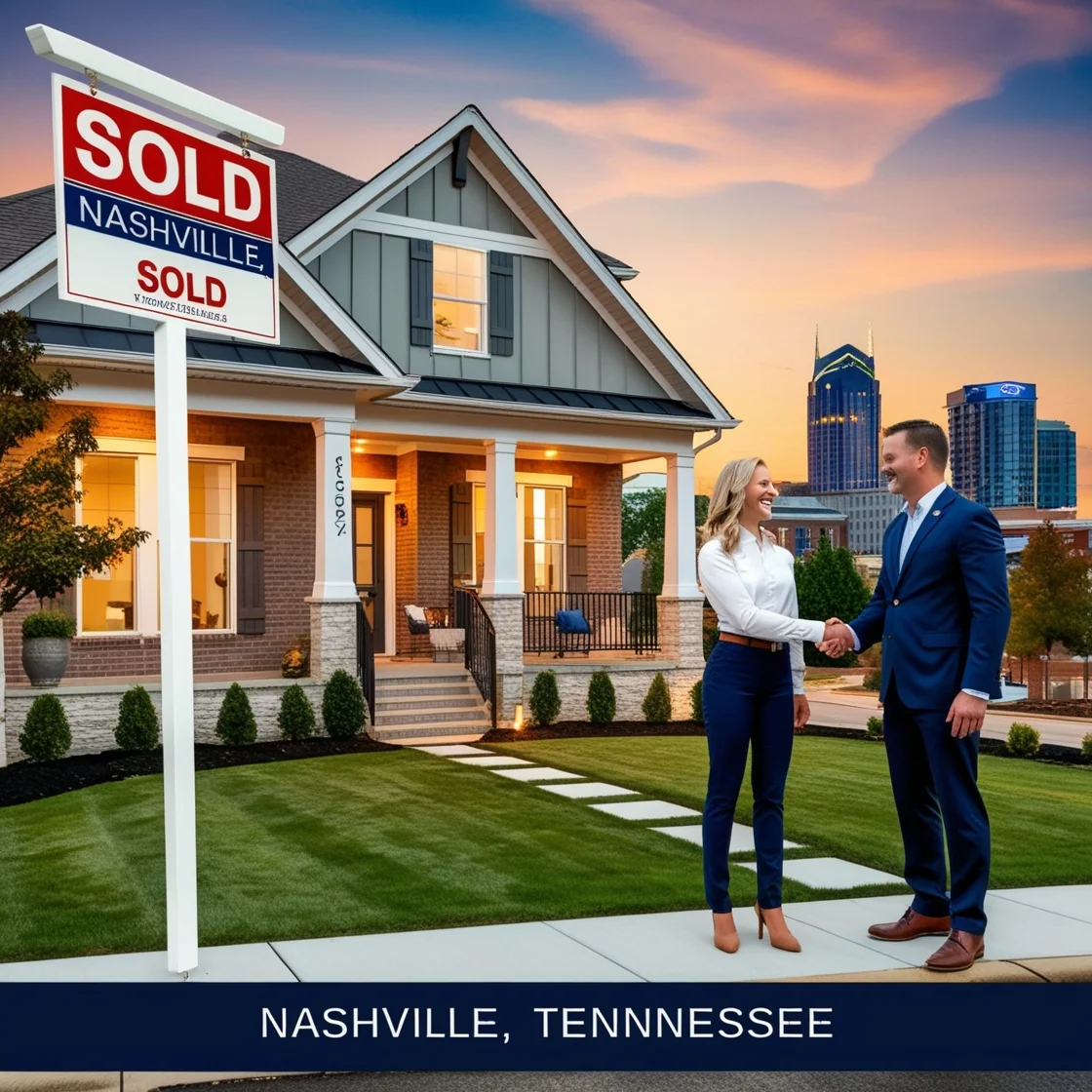
The Ultimate Guide to Selling Your Home in Nashville: Expert Tips for Maximum Value in 2025
How To Sell Your Home in Nashville Tennessee
After helping hundreds of Nashville homeowners sell their properties over the past decade, I’ve seen firsthand how our unique market operates. Whether you’re looking to sell your home in trendy East Nashville, upscale Brentwood, or family-friendly Franklin, understanding the local dynamics can make the difference between a quick, profitable sale and a lengthy, frustrating experience.
Nashville’s real estate landscape continues to evolve in 2025, with some neighborhoods experiencing different market conditions than others. As someone who’s navigated these changes through multiple market cycles, I can tell you that selling a home in Music City requires a customized approach – what works in Green Hills might not be effective in The Nations.
In this comprehensive guide from Shop Rates, we will walk you through everything you need to know about how to sell your home in Nashville, from determining the optimal timing to selecting the right representation. You’ll learn neighborhood-specific strategies, pricing techniques based on actual Nashville market data, and insider tips that only experienced local agents understand.
Whether you’re relocating for work, downsizing now that the kids are grown, or simply ready for a change, this guide will equip you with the knowledge to maximize your Nashville home’s value and minimize your stress throughout the selling process.
Understanding the Nashville Real Estate Market
Nashville’s housing market in early 2025 continues to reflect our city’s growth while showing signs of stabilization after years of rapid appreciation. Currently, we’re experiencing a moderate seller’s market with approximately 2.3 months of inventory – still favorable for sellers but not as frenzied as during the post-pandemic boom.
Nashville Neighborhood Market Analysis
Different Nashville neighborhoods are performing distinctly in today’s market:
East Nashville continues its popularity with millennials and young professionals, with homes typically selling within 14 days of listing when priced correctly. The median home value here has increased 7% year-over-year, outpacing the broader Nashville average.
Brentwood remains one of the more stable luxury markets, with slightly longer days on market (average 28 days) but stronger price retention. The school district continues to be a primary driver for buyers in this area.
Franklin has seen increased demand from families relocating from higher-cost markets like California and New York. Historic downtown properties command significant premiums, sometimes selling within hours of listing.
The Gulch and Downtown Nashville condos have experienced more price sensitivity than single-family homes, with days on market extending to 45-60 days as urban lifestyle preferences have shifted somewhat.
12South and Sylvan Park continue to attract buyers seeking walkability and character homes, with bidding wars still common for renovated craftsman-style properties.
Seasonal Trends and Timing Your Sale
The best time to sell a house in Nashville traditionally begins in late February and extends through June, with median days on market decreasing by approximately 30% during this period compared to winter months.
However, this pattern varies by neighborhood:
- East Nashville’s market picks up earlier, often by mid-January, likely due to its younger demographic
- Brentwood and Franklin see stronger markets slightly later (March-July) as families plan around school calendars
- Downtown condo sales show less seasonality but perform better during CMA Fest and major Nashville events
Unlike markets in the Northeast and Midwest, Nashville’s selling season doesn’t completely halt in winter – we still see solid activity in October through December, especially in neighborhoods popular with relocating professionals who often move during Q4 and Q1.
Nashville Buyer Demographics
Understanding who’s buying in Nashville helps inform your selling strategy. Currently, we’re seeing:
- Young professionals (28-40) dominating East Nashville, The Nations, and Wedgewood-Houston purchases
- Families with school-age children focusing on Brentwood, Franklin, and Belle Meade
- Empty nesters and retirees showing increased interest in downtown condos and Germantown
- Out-of-state buyers making up approximately 34% of purchases, with significant numbers from California, Illinois, and New York
Nashville’s growth has created a diverse buyer pool expecting different features based on where they’re coming from. West Coast buyers often prioritize outdoor space and home offices, while Northeast transplants frequently focus on walkability and character details.
Preparing Your Nashville Home for Sale
Properly preparing your Nashville home can dramatically impact your final selling price and days on market. I’ve seen strategic preparation add 5-15% to final sales prices across different Nashville neighborhoods.
High-ROI Repairs for Nashville Sellers
Based on recent Nashville sales data, these repairs consistently provide the strongest return:
- Updated kitchens with quartz or granite countertops (particularly important in Brentwood and Green Hills)
- Bathroom renovations (especially in homes built before 1990)
- HVAC replacement if systems are 15+ years old (Nashville’s humidity and temperature swings are hard on older systems)
- Foundation repairs (critical in areas like Inglewood with clay soil)
- New roof if yours is approaching end-of-life (Nashville’s increased storm activity has made buyers more cautious)
In neighborhoods like The Nations and Wedgewood-Houston, where many homes are being renovated, updated electrical systems and plumbing have become particularly important to buyers concerned about aging infrastructure.
Nashville-Specific Staging Tips
Nashville buyers have developed specific preferences worth addressing when staging:
- Home offices or flexible spaces have become essential with Nashville’s growth in remote work
- Indoor-outdoor living spaces perform exceptionally well (particularly in areas like Sylvan Park)
- In East Nashville, eclectic, artistic staging often outperforms traditional approaches
- Brentwood and Franklin buyers respond best to neutral, upscale finishes
- Downtown condo buyers expect contemporary styling with nods to Nashville’s music heritage
I recently sold a home in 12South that sat on the market for 45 days with generic staging. After restaging with locally-made art and furniture that reflected the neighborhood’s creative character, we received multiple offers within a week.
Professional Photography: A Nashville Necessity
With over 60% of Nashville buyers coming from out of state or relocating from other Tennessee cities, professional photography has become non-negotiable. Nashville’s competitive market means buyers often decide whether to visit based solely on online images.
Properties in scenic areas like Bellevue and Forest Hills benefit particularly from drone photography highlighting the natural setting and lot size. For historic homes in areas like Germantown or East Nashville, photographers who specialize in architectural photography can showcase character details that significantly impact buyer interest.
Pre-Listing Inspections in Nashville
Nashville’s older neighborhoods like Lockeland Springs, Cleveland Park, and parts of Green Hills often benefit from pre-listing inspections. With many homes built in the 1930s-1960s, addressing potential issues proactively can prevent deals from falling through during the inspection period.
Common Nashville-specific inspection issues include:
- Outdated electrical panels (particularly Federal Pacific panels common in 1970s Nashville construction)
- Deteriorating galvanized plumbing in pre-1970 homes
- Foundation issues in hillside properties (common in areas like Belmont and Hillsboro)
- Water intrusion in basements (particularly in older homes in Belle Meade and Green Hills)

Pricing Your Nashville Home Correctly
Pricing strategy remains the most critical decision when selling your Nashville home. Despite our strong market, incorrectly priced homes still face extended days on market and potential stigma.
Getting an Accurate Nashville Home Valuation
To determine your Nashville home’s value:
- Comparative Market Analysis (CMA): A Nashville-specific CMA analyzes recent comparable sales within your neighborhood, ideally within a 0.5-mile radius in established areas and even closer in transitioning neighborhoods where values can vary block by block (particularly important in areas like Nations, Wedgewood-Houston, and Cleveland Park).
- Nashville-Specific Value Factors: Beyond standard metrics, Nashville homes often have value factors that might not show up in basic algorithms:
- Proximity to music venues adds premium in areas surrounding downtown
- Walkability to local restaurants and shops (particularly valuable in 12South, East Nashville, and Germantown)
- Flood zone status (critically important since the 2010 flood)
- School zoning (particularly impactful in areas like Green Hills, Belle Meade, and Brentwood)
- Historic overlay districts (affecting renovation potential in areas like Germantown and parts of East Nashville)
- Professional Appraisal: Consider a pre-listing appraisal for unique properties or homes in rapidly changing neighborhoods like The Nations or Wedgewood-Houston where comparable sales may lag behind current values.
Nashville Price Trend Analysis
Nashville’s overall market has appreciated approximately 8.3% year-over-year, but neighborhood trends vary significantly:
- East Nashville: 9.7% increase, driven by continued demand and limited inventory
- The Nations: 12.2% increase as development continues to transform the area
- Brentwood: 6.8% increase, reflecting its already-premium pricing
- Downtown condos: 3.5% increase, showing more moderate growth as inventory has expanded
When pricing your Nashville home, consider not just where values have been but where they’re heading. Areas with recently announced developments or improved transit options often see acceleration in appreciation.
Nashville Property Tax Considerations
Tennessee’s relatively low property taxes affect Nashville home pricing differently than in high-tax states. Our recent property reassessment has impacted some neighborhoods more than others, particularly in gentrifying areas where assessments have increased dramatically.
Buyers from high-tax states like California, Illinois, and New York often have more purchasing power due to the tax savings, which can support somewhat higher pricing for sellers in neighborhoods popular with out-of-state buyers.
Choosing the Right Selling Strategy
Nashville’s diverse market supports multiple selling approaches, from full-service representation to direct cash sales. Your personal circumstances, timeline, and property condition should determine your path.
Nashville Real Estate Agent Options
Full-Service Nashville Real Estate Agents typically charge 5-6% commission (split between listing and buyer’s agents) and provide comprehensive services including:
- Professional photography and sometimes videography/3D tours
- Staging consultation (particularly valuable in luxury markets like Belle Meade and Forest Hills)
- Marketing across multiple platforms including relocation networks (crucial for Nashville’s high percentage of out-of-state buyers)
- Open houses and private showings
- Negotiation and contract management
- Closing coordination
For most Nashville sellers, particularly those in competitive neighborhoods or with higher-value homes, full-service representation typically delivers the strongest net proceeds despite the higher commission rate.
Low Commission Real Estate Agents in Nashville have increased in recent years, typically charging 1-1.5% listing fees while still offering cooperation with buyer’s agents (typically 2.5-3%). These can be viable options for:
- Sellers in particularly hot neighborhoods where homes essentially “sell themselves”
- Those comfortable managing more of the process themselves
- Properties in excellent condition requiring minimal guidance
When interviewing low-commission agents, verify which services are included versus à la carte, as marketing budgets and professional photography may be limited.
Selling Without a Realtor in Nashville
Approximately 7% of Nashville homes are sold by owner (FSBO), but results vary dramatically by neighborhood and price point:
- Entry-level homes in high-demand areas like The Nations and parts of East Nashville can sometimes sell quickly without agent representation
- Luxury properties and homes in less-trafficked neighborhoods typically take significantly longer and sell for less without professional representation
If considering this route, prepare for:
- Creating your own marketing materials and listing on permitted platforms
- Handling showings and open houses yourself
- Navigating Tennessee disclosure requirements
- Managing negotiations directly with buyers or their agents
- Coordinating with title companies for closing
A middle-ground option gaining popularity is using Nashville flat-fee MLS services that provide MLS listing access while you handle the rest of the process.
Cash Sale Options in Nashville
Several “we buy houses Nashville” and “sell my house for cash Nashville” companies operate locally, offering expedited closings and as-is purchases. These can be appropriate for:
- Inherited properties needing extensive renovation
- Owners facing financial distress or need for immediate liquidity
- Properties with significant condition issues that would be difficult to finance conventionally
However, expect offers typically ranging from 60-75% of market value, with the highest discounts for properties needing significant renovation.
Nashville’s strong investor presence provides more cash buyer options than many markets, with some local investors specializing in specific neighborhoods like Cleveland Park, Bordeaux, and parts of Madison.
Finding Top Nashville Listing Agents
When interviewing potential listing agents, look for:
- Specific experience in your Nashville neighborhood (market knowledge varies dramatically across our diverse city)
- Track record of sales similar to your property type and price point
- Marketing plan customized to your specific property
- Communication style that matches your preferences
- Transparent explanation of their comparative market analysis
The best listing agents in Nashville can demonstrate:
- Negotiation strategies that have achieved above-asking prices
- Networks of stagers, photographers, and contractors specific to your area
- Relationships with buyer’s agents who specialize in your neighborhood
- Understanding of Nashville’s unique disclosure requirements
The Selling Process in Nashville
Nashville Home Selling Timeline
While every transaction differs, here’s a typical timeline for selling a Nashville home:
Preparation Phase (2-4 weeks)
- Complete high-ROI repairs and improvements
- De-clutter and stage
- Obtain professional photography
- Prepare disclosures
Active Listing Phase (1-8 weeks depending on market conditions)
- List on MLS and marketing platforms
- Host broker’s open (common in neighborhoods like Belle Meade and Brentwood)
- Conduct showings and open houses
- Review offers
Under Contract Phase (30-45 days)
- Buyer’s due diligence period (typically 10 days in Nashville’s current market)
- Home inspection and potential negotiations
- Appraisal (typically 1-3 weeks after going under contract)
- Buyer’s loan approval
- Final walk-through
- Closing
Tennessee-Specific Disclosure Requirements
Tennessee law requires sellers to provide a comprehensive property condition disclosure statement covering:
- Known structural issues
- Water and sewer systems
- Electrical and HVAC systems
- Presence of hazardous materials
- Flooding history (particularly scrutinized since Nashville’s 2010 flood)
- HOA information if applicable
Additionally, Nashville’s historical overlay districts in areas like Germantown, parts of East Nashville, and 12South have specific disclosure requirements regarding renovation restrictions.
Nashville Days on Market Trends
As of early 2025, average days on market in Nashville vary significantly by neighborhood:
- East Nashville: 14 days
- The Nations: 12 days
- Brentwood: 28 days
- Downtown condos: 45 days
- Bellevue: 21 days
Properties priced within 5% of market value typically sell within the first two weeks of listing, while those priced 10%+ above market value often remain active for 60+ days.
Handling Multiple Offers in Nashville’s Hot Neighborhoods
Multiple offers remain common in neighborhoods like East Nashville, 12South, and Sylvan Park when homes are priced appropriately. Effective strategies include:
- Weekend open houses followed by an offer deadline on Monday/Tuesday
- Clear communication of seller preferences (timing, contingencies, etc.)
- Consideration of escalation clauses (increasingly common in Brentwood and Green Hills)
- Evaluation of buyer pre-approval strength (local lenders like Pinnacle, FirstBank, and Wilson Bank & Trust are generally viewed as having smoother closing processes)
Nashville Seller Closing Costs
Nashville sellers should budget for closing costs typically ranging from 7-9% of the sales price, including:
- Real estate commission (5-6% typically)
- Title insurance (seller typically pays in Middle Tennessee, unlike some other markets)
- Transfer taxes ($0.37 per $100 of sales price)
- Prorated property taxes
- Possible concessions for buyer closing costs (more common in entry-level price points)
- Attorney fees if applicable
Special Selling Situations in Nashville
Selling a House As-Is in Nashville
Nashville’s strong investor presence makes as-is sales more viable than in many markets. Areas particularly active for as-is purchases include:
- Bordeaux and North Nashville as development moves northward
- Madison and parts of Inglewood as East Nashville prices have increased
- Antioch as the southeast corridor continues to develop
When marketing an as-is property in Nashville:
- Be transparent about known issues
- Provide any inspection reports or contractor estimates available
- Consider whether cosmetic improvements might still provide ROI
- Decide whether to market primarily to investors or end-users
Selling with Tenants in Nashville
Tennessee landlord-tenant laws create specific considerations when selling occupied rental properties:
- Tenants must receive proper notice for showings (typically 24 hours)
- Leases transfer with property ownership unless specifically terminated
- Month-to-month tenancies require 30 days’ notice to terminate
Nashville’s strong rental market makes tenant-occupied properties attractive to investors, particularly in neighborhoods near universities or major employers like Vanderbilt, Belmont, and the downtown medical district.
Nashville Estate Sales
When handling estate sales in Nashville:
- Work with attorneys familiar with Tennessee probate processes
- Consider specialized estate sale companies for personal property (Nashville Estate Sales and CARING Transitions have strong local reputations)
- Be aware of Tennessee’s streamlined probate process for smaller estates
- Prepare for additional documentation requirements during the closing process
Relocating from Nashville
When selling while relocating:
- Consider whether your timeline supports maximizing value or necessitates a quicker sale
- Identify local resources to handle property maintenance and showings
- Establish clear communication protocols with your agent for remote document signing
- Research potential tax implications, especially if moving to a state with different tax treatments
Conclusion
Selling your home in Nashville requires understanding our unique market dynamics, neighborhood-specific trends, and local buyer preferences. By properly preparing your property, pricing strategically, choosing the right representation, and navigating the selling process with local knowledge, you can maximize your returns while minimizing stress.
As Nashville continues to evolve, staying informed about changing market conditions becomes increasingly important. Working with experienced professionals who understand not just real estate generally but Nashville’s specific market nuances can make all the difference in your selling experience.
Whether you’re listing a craftsman bungalow in East Nashville, a luxury estate in Belle Meade, or a downtown condo with views of the Cumberland, applying the strategies in this guide will help you achieve the successful outcome you deserve.
Ready to take the next step in selling your Nashville home? Consider starting with a custom home valuation to understand your property’s current market position and potential improvement opportunities. Connect with Nashville’s top Realtors and lending company through Shop Rates today.
Frequently Asked Questions
How long does it take to sell a house in Nashville?
The average time to sell a house in Nashville is currently 21 days from listing to accepted offer, but this varies significantly by neighborhood. East Nashville and The Nations homes often sell within 14 days when priced appropriately, while Downtown condos typically take 45-60 days. After accepting an offer, expect another 30-45 days until closing, depending on the buyer’s financing situation.
What are the closing costs for sellers in Nashville?
Nashville sellers typically pay 7-9% of the sales price in total closing costs. This includes real estate commission (5-6%), title insurance (approximately $1,000-3,000 depending on sales price), Tennessee transfer tax ($0.37 per $100 of value), prorated property taxes, and miscellaneous closing fees. Sellers in certain Nashville neighborhoods may also negotiate buyer concessions, particularly in entry-level price points.
What repairs should I make before selling my house in Nashville?
Focus on repairs that address functional issues over cosmetic upgrades. Priority repairs for Nashville homes include:
- HVAC systems (particularly given Nashville’s climate extremes)
- Roof issues (especially after recent years of increased storm activity)
- Foundation concerns (common in hillside neighborhoods and areas with clay soil)
- Electrical panel updates (especially Federal Pacific panels common in older Nashville homes)
- Water intrusion problems (basement water management is scrutinized since the 2010 flood)
For cosmetic updates, prioritize kitchen and bathroom improvements, neutral paint, and enhanced curb appeal.
How to increase home value before selling in Nashville?
Strategic improvements that consistently increase Nashville home values include:
- Kitchen updates (particularly in areas like Green Hills, Belle Meade, and Brentwood)
- Creating dedicated home office spaces (increasingly important post-pandemic)
- Enhancing outdoor living areas (especially valuable in neighborhoods like Sylvan Park and 12South)
- Adding smart home features (particularly appealing to Nashville’s tech-sector buyers)
- Improving energy efficiency with upgraded windows and insulation (notable selling point across all price points)
The ROI for specific improvements varies by neighborhood – what pays off in East Nashville may differ from Brentwood priorities.
What is the best month to sell a house in Nashville?
Late February through June typically represents Nashville’s strongest selling season, with April showing the highest median sales prices and lowest days on market. However, different Nashville neighborhoods have slightly different optimal timing:
- East Nashville market heats up earlier, often by mid-January
- Brentwood and Franklin see peak activity March through June as families coordinate with school calendars
- Downtown condos show less seasonality but perform better during major Nashville events and festivals
Unlike northern markets, Nashville’s fall market remains relatively strong through October, providing a secondary selling opportunity.
Should I sell my house now in Nashville?
Market conditions in early 2025 continue to favor sellers in most Nashville neighborhoods, with limited inventory and strong demand, particularly from out-of-state buyers. However, rising interest rates have impacted affordability, particularly in entry and mid-level price points.
Consider your personal circumstances, timeline flexibility, and local neighborhood trends. Areas with significant new construction coming online may face more competition in the coming months, while established neighborhoods with limited buildable lots remain insulated from supply increases.
Do I need to hire a real estate agent to sell my home in Nashville?
While not legally required, working with a real estate agent typically results in higher net proceeds for Nashville sellers. Nashville MLS data shows FSBO properties sell for approximately 5.5% less than agent-represented properties, not accounting for the time investment required by sellers.
The value of agent representation increases with:
- Higher price points (particularly above $750,000)
- More unique properties requiring specialized marketing
- Situations requiring negotiation expertise
- Properties in transitioning neighborhoods where accurate pricing is challenging
What Nashville neighborhoods are selling the fastest right now?
As of early 2025, the fastest-selling Nashville neighborhoods include:
- The Nations (average 12 days on market)
- East Nashville (14 days for appropriately priced homes)
- Sylvan Park (16 days)
- Wedgewood-Houston (18 days)
- Parts of Donelson near the airport (21 days)
Luxury markets like Belle Meade and Forest Hills typically experience longer days on market (35-45 days) due to smaller buyer pools at higher price points.


